How Wisdom Teeth Removal Can Protect Your Oral Health
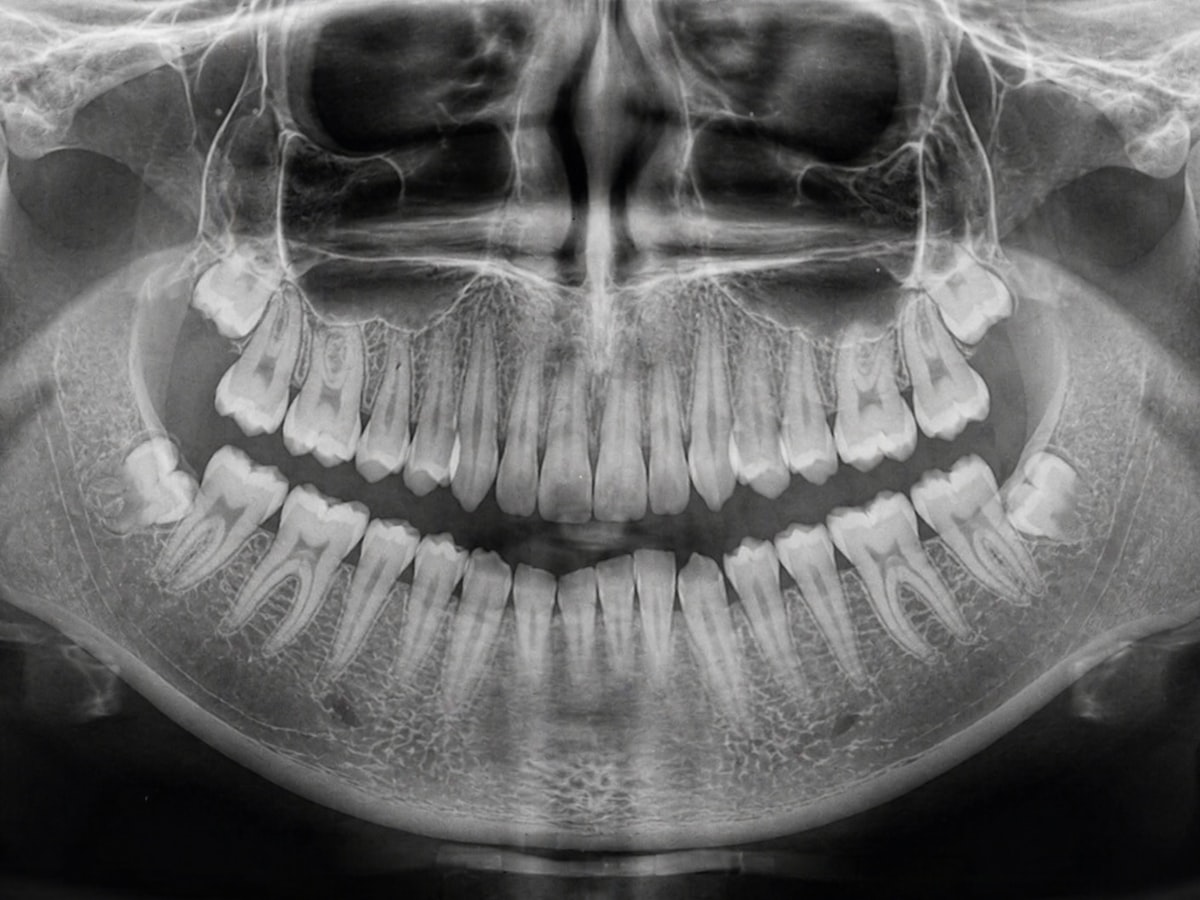
Wisdom teeth have a way of staying quiet until they do not. Many people go years without thinking about them, then one routine dental visit or one painful flare-up changes the conversation. A dentist points to an X-ray, circles the back corners of the jaw, and suddenly there is talk of impaction, crowding, infection risk, or cysts. For some patients, that recommendation feels abrupt. If the teeth are not hurting every day, why remove them at all?
The answer is that wisdom teeth often create problems because of where they sit, how late they erupt, and how little room they have to come in properly. They are the last permanent teeth to arrive, usually in the late teens or early twenties, and they try to occupy a space that is often already full. By the time they push upward, the jaw may not have enough room to accommodate them. Even when they do not Wisdom Teeth Removal cause immediate pain, they can set up conditions that threaten surrounding teeth, gum tissue, and the bone that supports the bite.
Wisdom Teeth Removal is not about removing a tooth simply because it exists. It is about preventing damage that tends to develop in hard-to-clean, hard-to-monitor areas. For the right patient, timely removal can preserve oral health, reduce the chance of repeated emergencies, and spare nearby molars from avoidable harm.
Why wisdom teeth become a problem so often
Third molars, commonly called wisdom teeth, sit at the very back of the mouth. Their location alone makes them difficult to clean well. Even patients with strong brushing habits and regular flossing can struggle to keep that area free of plaque and trapped food. Once a tooth partially erupts through the gum, it creates a small flap of tissue where bacteria can gather. That pocket becomes an ideal site for inflammation and infection.
Space is the second issue. Human jaws vary, but many people simply do not have enough room for four additional molars. When a wisdom tooth cannot come in fully, it may remain trapped under the gum or bone, a situation known as impaction. It can also emerge at an angle, leaning toward the neighboring second molar, pressing into it, or trying to erupt sideways.
Dentists see a few common patterns repeatedly. A lower wisdom tooth may angle forward and push against the tooth in front of it. An upper wisdom tooth may erupt too far outward and irritate the cheek. A partially erupted tooth may seem manageable for months, then suddenly become swollen and painful. These are not rare, unusual complications. They are familiar clinical scenarios, which is why proactive conversations about removal happen so often.
The damage wisdom teeth can do, even before severe pain starts
One of the biggest misconceptions about wisdom teeth is that pain is the first reliable warning sign. In reality, damage can be developing long before a patient feels anything dramatic. This is one reason regular dental X-rays matter. The back of the mouth can hide trouble well.
A wisdom tooth that is tilted toward the second molar can create a contact point that traps bacteria. Over time, that can lead to decay in the wisdom tooth, the second molar, or both. The second molar is especially important because it is a functional tooth with a major role in chewing. Losing or damaging it because of an impacted wisdom tooth is a frustrating, preventable outcome.
Gum disease is another concern. Partially erupted wisdom teeth are notorious for recurring inflammation around the gum tissue. Dentists often call this pericoronitis. Patients describe it as swelling, tenderness, bad taste, difficulty chewing, and sometimes trouble opening the mouth fully. The tissue may settle down with rinses, cleaning, and antibiotics if infection is present, but if the tooth remains in place, the problem frequently returns.
In some cases, impacted wisdom teeth contribute to cyst formation around the tooth. This is less common than simple inflammation or decay, but it matters because cysts can expand slowly and damage surrounding bone. Rarely, more serious pathology can develop in association with impacted teeth. That is not the most likely scenario, but it is part of the reason impacted third molars deserve monitoring rather than neglect.
There is also the issue of hygiene burden. A tooth that can barely be reached is a tooth that tends to collect plaque. Patients often tell me the same thing after removal: they did not realize how much easier the back of the mouth would be to keep clean. That practical day-to-day improvement matters. Oral health is not protected only by major surgical decisions. It is protected by making the mouth easier to maintain for years to come.
Protecting the teeth you want to keep
When dentists recommend Wisdom Teeth Removal, a large part of that recommendation is really about protecting the second molars and surrounding tissues. Those neighboring molars are valuable. They are strong, functional teeth that you depend on every day. If a wisdom tooth threatens them through pressure, decay, or gum disease, it shifts the conversation from optional surgery to preventive care.
A common example is the lower impacted wisdom tooth that sits half under the gum and half under the bone, with its crown pressing into the back of the second molar. On an X-ray, the trouble may be obvious. In the mouth, the patient may notice only occasional soreness or food trapping. Months or years later, the second molar can develop a cavity on its back surface, exactly where it is hardest to restore and hardest to clean. At that point, treatment becomes more complex and more expensive than removing the wisdom tooth earlier.
This is where professional judgment matters. Not every wisdom tooth must come out immediately, and not every mildly angled tooth becomes disastrous. But when there is clear evidence of pressure, inaccessible hygiene, repeated inflammation, or decay risk, removal often becomes the most conservative way to protect the rest of the mouth.
Timing makes a difference
People often ask whether there is a best age for wisdom tooth removal. There is no single perfect age for everyone, but there is a practical window when removal tends to be simpler and recovery more predictable. Late adolescence and early adulthood are common times because the roots may not be fully formed yet, the surrounding bone is often somewhat more forgiving, and healing is usually efficient.
That does not mean older adults cannot have wisdom teeth removed successfully. They can, and many do. But procedures may be more technically involved when roots are fully developed, bone is denser, or the tooth sits close to important structures such as the inferior alveolar nerve in the lower jaw or the sinus in the upper jaw. Healing can also feel slower with age, especially if the patient smokes, has uncontrolled diabetes, or has a history of periodontal disease.
The point is not urgency for its own sake. The point is that waiting until a wisdom tooth causes repeated infection or damages a neighboring molar rarely improves the situation. Monitoring is reasonable in selected cases. Passive neglect is not.
When watchful waiting is appropriate
A thoughtful discussion about wisdom teeth should include the cases where removal is not immediately necessary. Some wisdom teeth erupt fully, align well, bite against an opposing tooth, and can be cleaned properly. Others remain buried and show no signs of disease, damage, or concerning changes on imaging. In those cases, a dentist or oral surgeon may recommend observation with periodic exams and X-rays rather than extraction.
That recommendation works only if follow-up actually happens. A fully symptom-free impacted tooth today is not a lifetime guarantee. Conditions can change. Gum pockets can deepen. Adjacent teeth can become affected. Cysts, while uncommon, can Wisdom Teeth Removal develop silently. Watchful waiting is a management plan, not an excuse to forget the issue.
This is also where individual anatomy matters. A patient with excellent oral hygiene, stable gum health, and a deeply impacted tooth that has remained unchanged for years may be managed differently from a patient with repeated swelling behind the molars and limited access for cleaning. Dentistry is full of these judgment calls. The best decision depends on the X-ray findings, clinical exam, age, symptoms, and ability to maintain the area.
What removal can prevent
The strongest argument for Wisdom Teeth Removal is not that every wisdom tooth is dangerous. It is that many problematic wisdom teeth follow recognizable patterns, and acting before complications escalate can preserve oral health in very concrete ways.
- Recurrent gum infections around partially erupted teeth
- Cavities in the wisdom tooth or the neighboring second molar
- Damage to supporting bone and periodontal tissue
- Pressure-related pain, swelling, and food trapping
- Cyst formation around an impacted tooth
Each of these problems can interfere with comfort and function. More importantly, each can complicate future treatment. A straightforward extraction is one thing. An extraction paired with treatment for infection, restoration of a damaged second molar, or management of gum defects is another.
The consultation matters as much as the procedure
A good wisdom tooth evaluation is not a sales pitch for surgery. It should be a clinical conversation grounded in imaging, symptoms, anatomy, and risk. Patients deserve to know why removal is recommended, what the alternatives are, and what the expected recovery looks like.
During a consultation, the dentist or oral surgeon typically evaluates the position of the teeth, whether they have erupted at all, the shape of the roots, and the relationship of the lower teeth to the nerve canal or the upper teeth to the sinus. That assessment helps define the level of difficulty and the safest approach. Some wisdom teeth can be removed in a general dental office, while others are better managed by an oral and maxillofacial surgeon.
Sedation options also matter. For a simple erupted tooth, local anesthetic may be enough. For multiple impacted teeth, IV sedation or another deeper form of sedation may make the experience far more comfortable. Patients vary widely in pain tolerance and anxiety. Practical planning should account for that.
People often fear the procedure because they have heard dramatic stories. In practice, many recover smoothly, especially when the surgery is planned rather than done in the middle of an active infection. The stories that linger tend to be the difficult ones, not the routine recoveries where someone rests for a few days, follows instructions, and improves steadily.
Recovery is temporary, the benefit can be long term
Most patients want an honest answer about recovery. There is no value in minimizing it. Wisdom tooth removal can involve soreness, swelling, limited jaw opening, and a few days of disrupted routine. If the teeth are impacted, especially lower ones, the first seventy-two hours may be the most uncomfortable period. That said, the majority of healthy patients improve noticeably within several days and continue healing over the next one to two weeks.
The experience depends on the difficulty of the extraction, the number of teeth removed, age, health history, and how closely aftercare instructions are followed. Dry socket, a painful condition where the blood clot in the extraction site is lost too early, is a known risk, especially in lower extractions and in people who smoke or use straws too soon after surgery. Infection is possible, though not common when proper care is taken.
For many patients, the short recovery is a worthwhile trade for avoiding repeated cycles of gum infection, emergency visits, or damage to second molars. That trade-off becomes easier to understand when you consider the alternative is often not "do nothing and stay fine," but "wait until the problem is harder to treat."
Practical aftercare makes a real difference
The basics of recovery are simple, but they matter. Patients who do well usually respect the first few days. They rest, stay hydrated, manage swelling early, and avoid habits that disturb the clot.
- Take medications exactly as directed
- Use cold packs during the first day to limit swelling
- Eat soft foods and avoid vigorous rinsing at first
- Do not smoke or use straws during early healing
- Keep follow-up appointments if they are scheduled
Those steps sound ordinary because they are. The problem is that small lapses can lead to bigger discomfort. A patient who feels decent by the evening of surgery may be tempted to resume normal eating too quickly or skip oral hygiene around the area altogether. Neither extreme helps. Good recovery tends to come from steady, careful habits rather than toughness.
Common fears, and how clinicians think about them
One fear is that wisdom teeth removal will permanently change the bite or shift all the other teeth. In most cases, removing wisdom teeth does not dramatically alter the bite. The jaw is not held together by those teeth. The more relevant concern is whether keeping them creates crowding or pressure that complicates the back teeth and gums. Claims that wisdom teeth are the sole cause of all front-tooth crowding are too simplistic, but they can certainly contribute to pressure and maintenance issues in the back of the arch.
Another concern is nerve injury, especially with lower wisdom teeth. This is a legitimate topic, not something to brush aside. When roots lie close to the inferior alveolar nerve or lingual nerve, the surgeon should discuss that anatomy clearly. Most extractions do not result in nerve problems. When altered sensation occurs, it is often temporary, but rare long-term changes are possible. Imaging and surgical planning exist precisely to minimize that risk and inform decision-making.
There is also the question of whether every asymptomatic wisdom tooth should come out. Reasonable professionals do not all phrase this the same way. Some favor earlier removal when anatomy and age make surgery more straightforward. Others prefer close observation for fully buried, disease-free teeth with low apparent risk. The best approach is not ideology. It is careful assessment.
Real-world patterns dentists see again and again
If you spend enough time around dental practices, certain patterns repeat. A college student comes home with swelling behind a lower molar during exam week, can barely chew on one side, and needs urgent evaluation. A thirty-something adult who delayed treatment for years learns that the wisdom tooth is not the only problem anymore, the second molar now needs major restorative work. A patient who had one or two flare-ups treated with antibiotics realizes the issue keeps returning because the tooth remains partially trapped.
These are not scare tactics. They are ordinary examples of what happens when anatomy, bacteria, and time work against a difficult-to-clean tooth. Wisdom teeth do not always cause trouble. But when they do, they often do so predictably.
On the other side, there are plenty of patients who schedule planned removal at a stable time, recover over a long weekend or school break, and move on without further issues. Their mouths become easier to maintain, their risk of repeated infection drops, and the vulnerable second molars remain protected. Preventive care rarely feels dramatic when it works. Its success is usually measured by the absence of bigger problems later.
The larger oral health picture
Oral health is cumulative. Every decision affects the next. A healthy mouth is easier to maintain when there are no chronically inflamed gum flaps at the back, no inaccessible pockets collecting debris, and no impacted teeth threatening adjacent molars. Wisdom Teeth Removal fits into that broader philosophy. It is not just an isolated surgery. It can be part of preserving cleanable anatomy, stable periodontal health, and durable function.
That does not mean removal is automatic. It means wisdom teeth deserve a serious, individualized evaluation. If they are healthy, functional, and maintainable, observation may be reasonable. If they are impacted, partly erupted, infection-prone, or damaging nearby teeth, removing them can protect far more than comfort in the moment. It can protect the structure and health of the rest of the mouth.
For patients deciding what to do, the best next step is usually straightforward: get a proper exam, review the X-rays carefully, ask what specific risks the teeth pose in your case, and weigh those risks against the short-term inconvenience of surgery. Oral health is often preserved not by reacting to major pain, but by acting before predictable trouble becomes permanent damage.
Oxnard Dentistry
1730 E Gonzales Rd, Oxnard, CA 93036, United States
+1 805-307-8731
FAQ About Wisdom Teeth Removal
How painful is it to remove a wisdom tooth?
Local anesthetic numbs the area during extraction. Pressure may still be noticeable; tell the dentist if you feel pain. Soreness and swelling afterward are common. Follow the pain-control instructions provided for your situation.
How long is recovery for wisdom teeth extractions?
Recovery varies with the tooth position and complexity of the extraction. Some people resume routine activities quickly, while others need several days of rest. Soreness, swelling and jaw stiffness can last up to two weeks. Follow your clinician's aftercare and activity advice.
What are the risks of wisdom tooth removal?
Possible complications include dry socket, infection, persistent bleeding and changes in sensation from nearby nerve injury. Your dentist or oral surgeon should explain your individual risks before treatment. Seek prompt dental advice for bleeding that will not stop, fever, or severe or worsening pain and swelling.