Comparing Sedation Choices for Wisdom Teeth Removal in Oxnard CA
Few parts of oral surgery create more anxiety than the question of sedation. Patients usually understand why wisdom teeth need to come out. What keeps them awake the night before is the uncertainty around how the procedure will feel, what they will remember, and how rough the recovery day will be. In a coastal community like Oxnard, where patients range from high school seniors and college athletes to working parents and older adults finally addressing impacted third molars, sedation is rarely a one-size-fits-all decision.
When people search for Wisdom Teeth Removal Oxnard CA, they often focus on the surgeon, the cost, or how fast they can get on the schedule. Those things matter. Sedation deserves equal attention. The right choice can make the procedure feel manageable and predictable. The wrong choice can leave a patient overmedicated for their needs, underprepared for the experience, or surprised by practical issues like fasting rules, transportation requirements, and grogginess that lingers into the evening.
The most useful way to compare sedation options is not to ask which one is “best.” A better question is which option best fits the difficulty of the extraction, the patient’s health history, and the patient’s own tolerance for dental treatment. A straightforward case involving partially erupted upper wisdom teeth calls for a different plan than four deeply impacted teeth angled against the second molars. Anxiety level matters too. I have seen calm patients do very well with less medication, and highly anxious patients struggle even during a simple procedure unless the sedation plan is adjusted early and thoughtfully.
Why sedation decisions are not just about fear
Sedation is often discussed as if it only addresses nerves. It does far more than that. During wisdom tooth surgery, the surgeon needs access, visibility, and a patient who can remain still for periods of pressure, vibration, water irrigation, and jaw manipulation. Even when pain is well controlled by local anesthetic, the sensations can be unfamiliar and unsettling. Sedation can reduce awareness of those sensations, relax tense muscles, suppress a strong gag reflex, and improve the overall flow of treatment.
There is also a safety and efficiency component. A relaxed patient who follows instructions and does not panic allows the surgical team to work more smoothly. That can shorten the procedure and reduce stress on everyone in the room. On the other hand, deeper sedation is not automatically safer or smarter. It brings extra monitoring, stricter pre-op instructions, and a longer recovery window. The key is matching the level of sedation to the real demands of the case.
In Oxnard, many wisdom tooth patients are teenagers and young adults who are medically healthy but emotionally keyed up. Their parents often assume they should be completely asleep. Sometimes that is appropriate. Sometimes it is more than they need. There are also adults in their thirties, forties, and beyond who delayed treatment. They may have work obligations, blood pressure concerns, previous difficult dental experiences, or medications that affect sedation planning. Those details shape the recommendation far more than age alone.
The basic sedation categories you are likely to hear about
For wisdom teeth removal, the conversation usually centers on local anesthetic, nitrous oxide, oral sedation, and IV sedation. General anesthesia may also come up, although in many outpatient oral surgery settings the term is used loosely by patients who mean they were heavily sedated and do not remember the procedure.
Local anesthetic is the foundation no matter what else is added. Even if a patient receives IV sedation and drifts through the appointment with little or no memory, the surgeon still numbs the surgical sites. That local numbing medicine is what blocks pain during the extraction and continues helping during the first part of recovery. Sedation handles awareness, anxiety, and comfort. The local anesthetic handles pain control at the teeth and surrounding tissues.
Nitrous oxide, commonly called laughing gas, is the lightest add-on. It works quickly, wears off quickly, and is often appealing to patients who want to remain awake but less tense. Oral sedation usually involves a prescribed pill taken before the appointment, sometimes with an additional dose in the office depending on protocol. It creates a deeper relaxation than nitrous for many patients, though responses vary. IV sedation is the most common choice for impacted wisdom teeth in anxious patients because it allows medications to be delivered directly into the bloodstream and adjusted during the procedure.
Local anesthetic alone, better than many patients expect
Some wisdom teeth can be removed comfortably with local anesthetic alone, especially if the teeth are erupted or only mildly impacted and the patient is not highly anxious. This option often gets overlooked because people imagine wisdom tooth surgery as universally dramatic. In reality, there are cases where it is efficient, cost-conscious, and entirely reasonable.
The main advantage is recovery. Patients avoid the lingering fog that can come with sedative medications. They may not need the same level of supervision after the appointment, depending on office policy and what else was given. Nausea is less of a concern. There are fewer moving parts before surgery, since fasting rules may be less restrictive if no sedatives are used. For some adults with demanding schedules, that simplicity is valuable.
The drawback is psychological more than physical. Patients remain aware of the sounds and pressure. They may hear the handpiece, feel the surgeon applying force, and notice the duration of the procedure more acutely. Even with excellent numbing, that sensory awareness can be stressful. This is where personality matters. Some patients are practical and unbothered. Others dread even routine cleanings. The same technical surgery can feel easy to one person and overwhelming to another.
I have seen local anesthetic alone work especially well for patients who like control and dislike the idea of grogginess. It tends to work less well for those who catastrophize normal sensations. If a patient says, “I get nervous just sitting in the waiting room,” that is usually not the person who will enjoy staying fully aware for four extractions.
Nitrous oxide, a light touch with a short recovery
Nitrous oxide occupies a middle ground. It does not make a patient unconscious, and it usually does not erase memory the way IV sedation can. What it often does very well is take the edge off. Time may feel softer. Muscles relax. The patient remains responsive but less reactive.
For a limited extraction or a straightforward wisdom tooth case, nitrous can be a smart choice. One of its practical advantages is how quickly it clears after the mask is removed. Many patients feel close to normal within minutes. That makes it attractive to people who want to avoid losing an entire day to recovery. It can also be useful for younger patients who are anxious but not severely so.
Still, nitrous has limits. Deep impactions, prolonged bone removal, and difficult lower third molars can push beyond what many anxious patients tolerate comfortably with nitrous alone. If the patient starts tense and the procedure becomes more involved than expected, the lightness of nitrous may not be enough. Another limitation is that some people simply do not respond strongly to it. They feel a little lighter, maybe a little warm, but not significantly calmer.
Patients with nasal congestion can have a less effective experience because nitrous is inhaled through the nose. In Oxnard, where seasonal allergies and coastal air issues can flare sinus symptoms, that practical detail matters more than people realize. A stuffy nose on surgery day can turn a promising nitrous plan into a frustrating one.
Oral sedation, convenient but less precise
Oral sedation can sound appealing because it avoids an IV line at the start. For many patients, swallowing a pill at home or shortly before treatment feels less intimidating than seeing monitors and intravenous tubing. When it works well, it can create a calm, drowsy, detached state that makes surgery feel much easier.
Its biggest strength is simplicity. Its biggest weakness is predictability. Oral medications take time to absorb, and the effect can vary from person to person based on body size, metabolism, recent food intake, anxiety level, and individual sensitivity. One patient becomes pleasantly sleepy. Another feels only mildly relaxed. A third is still groggy hours later. That variation is why many surgeons prefer IV sedation for more complex wisdom tooth cases.
There is also a timing issue. If the medication is too light, it cannot be adjusted as precisely once the procedure starts. If it is too heavy, the patient may be excessively sedated for the demands of the surgery and recovery. By contrast, IV medications can be titrated in small increments as the case unfolds.
That does not make oral sedation a poor choice. It can be very useful for moderate anxiety and less difficult extractions. It may also suit patients who strongly resist IV placement but know they need more than nitrous. The office should give very clear instructions, because patients can underestimate how impaired they will feel before and after the appointment. Even if they remain technically awake, judgment and coordination may be reduced longer than they expect.
IV sedation, the most common answer for impacted wisdom teeth
For many patients undergoing Wisdom Teeth Removal Oxnard CA, IV sedation is the option that best balances comfort and control. It allows the team to create a deeper level of relaxation quickly and adjust it during the procedure. Most patients remember little, if anything, afterward. They are not necessarily unconscious in the way people imagine from hospital surgery, but from their perspective the experience often feels like they closed their eyes and woke up finished.
This is especially helpful for four-tooth removal, lower wisdom teeth that are buried in bone, or cases where the roots, angle, and surrounding anatomy make the surgery more involved. It is also a strong choice for patients with severe dental anxiety, a pronounced gag reflex, or a history of traumatic dental experiences.
The ability to titrate medication matters. If a patient remains too alert, additional medication can be given. If the procedure is moving quickly, the sedation can be maintained at an appropriate level without overshooting. Monitoring is also more robust, which adds a layer of safety when deeper sedation is used. The team tracks vital signs and stays focused on airway management and recovery throughout the appointment.
The trade-offs are real. Patients usually must fast for a set period before surgery. They need a responsible adult to drive them home and remain with them afterward. The day is effectively spoken for. Some experience nausea, though that is not universal. The fee is higher than lighter sedation approaches because the medications, equipment, staff training, and monitoring requirements are greater.
For many families, that cost is worth it because it reduces fear and improves the overall surgical experience. For others, especially if the extractions are relatively simple, IV sedation may feel like more intervention than necessary. The right answer depends on the actual surgical difficulty, not just what friends had done.
General anesthesia, what patients often mean and what it actually implies
Patients frequently say, “I want to be put under.” In office-based oral surgery, that phrase can refer to deep IV sedation, even if the patient is not under full hospital-style general anesthesia. The distinction matters less to the patient than to the clinical team, but it is still worth understanding.
True general anesthesia means a deeper state of unconsciousness with more intensive airway and anesthetic management. In many outpatient wisdom tooth practices, the service offered is deep sedation or IV sedation administered by qualified professionals with appropriate monitoring. Patients often experience it as complete sleep because they have no memory of the procedure.
This is one reason communication before surgery is so important. Patients should ask what medications are planned, how deeply sedated they are expected to be, who will administer and monitor the sedation, and what recovery usually looks like in that specific office. Those answers tell you more than labels alone.
What determines the best sedation choice
The recommendation should come from the intersection of clinical complexity and patient factors. Neither side can be ignored. A calm patient with four horizontally impacted lower wisdom teeth may still benefit strongly from IV sedation because the surgery itself is demanding. An anxious patient with a single erupted upper wisdom tooth might do well with nitrous or oral sedation because the procedure is shorter and simpler.
Here are some of the factors that usually matter most:
- the position and depth of impaction
- whether one tooth or all four are being removed
- the patient’s anxiety level and past dental experiences
- medical conditions, medications, and airway considerations
- the patient’s need for a rapid, clear-headed recovery
Age can play a role, but it is not the headline. Health status, surgical anatomy, and emotional tolerance are more important. A healthy 17-year-old athlete and a healthy 32-year-old teacher might both be excellent IV sedation candidates if their lower wisdom teeth are deeply impacted. A 40-year-old with controlled medical issues and two erupted wisdom teeth might reasonably choose local anesthesia and do very well.
Questions worth asking at the consultation
Sedation discussions are better when they move beyond “Will I be asleep?” The most helpful consultations cover logistics and expectations in plain language. Patients should know not only how they will feel during the surgery, but what the rest of the day is likely to look like.
A good surgeon or anesthesia https://daltonnsou966.sagecurrent.com/posts/what-happens-if-you-skip-wisdom-teeth-removal-in-oxnard-ca provider should be able to explain why a specific option is being recommended. If the answer sounds generic, press further. Ask whether the recommendation is based on the complexity of the case, your anxiety level, your health history, or a mix of all three. That distinction matters.
Ask about fasting instructions and medication adjustments. Ask how long most patients are in the office compared with how long the extraction itself takes. Ask what level of memory is typical afterward. Ask how nausea is managed if it occurs. Ask when normal eating, driving, school, or desk work usually resume. None of those questions are trivial. They shape the entire experience.
The consultation is also the time to mention issues patients often forget to report, such as motion sickness, trouble with prior anesthesia, asthma, reflux, snoring, panic attacks, or a strong tendency to faint during injections or blood draws. These are not embarrassing footnotes. They are clinically relevant details that can influence the safest and most comfortable plan.
Recovery feels different depending on the sedation method
Patients often focus so heavily on getting through the extraction that they overlook the recovery profile of each option. Yet the first six to twelve hours after surgery can strongly influence how they remember the experience.
With local anesthetic alone, the patient may feel comparatively clear right away, though the numbness can be profound for several hours. With nitrous, clarity generally returns quickly after the gas is stopped. Oral sedation can produce a slower, less predictable return to baseline. IV sedation often leaves patients sleepy, unsteady, and not fully themselves for the rest of the day, even if they appear awake and conversational.
That difference matters for practical reasons. A college student living with roommates may need more planning after IV sedation than they realize. A parent arranging childcare should not assume they will be functional by midafternoon. Even high-performing adults who “never get knocked out by meds” should treat recovery instructions seriously. People can underestimate their impairment because they feel mentally present before their coordination and judgment are truly back to normal.
One pattern that surprises patients is the emotional swing later in the day. The sedation has worn off, the local anesthetic starts fading, and soreness arrives just as fatigue sets in. This is normal. It is also one reason why choosing the lightest acceptable sedation is not always the easiest overall route. A patient who struggles through surgery with too little support may feel more exhausted afterward than a patient who had deeper sedation and a calmer experience.
Cost, convenience, and value
Sedation affects the fee for wisdom teeth removal, and that matters for real families making real choices. IV sedation costs more than nitrous or no sedation because it requires medications, monitoring equipment, trained staff, recovery oversight, and more preparation. Oral sedation is typically less costly than IV sedation, though office protocols vary. Nitrous is often the most affordable add-on.
The cheapest option is not always the best value. If a patient avoids IV sedation to save money, then has a highly stressful surgical experience, the savings may not feel worthwhile. On the other hand, paying for deep sedation during a quick, uncomplicated extraction may not provide enough benefit to justify the extra cost.
This is where candid discussion helps. Ask the office whether there are different fee structures for different sedation levels. Ask what is included. Ask whether the recommendation is based on necessity, comfort, or both. Most patients appreciate direct answers, and good practices are used to having that conversation.
A sensible way to decide
Sedation planning should feel individualized, not scripted. The best decisions usually come from a frank exchange between patient and surgeon rather than from assumptions based on what friends, siblings, or social media videos describe. Wisdom teeth cases vary too much for copy-and-paste advice.
If your wisdom teeth are fully erupted, the surgery appears simple on imaging, and you are calm in dental settings, lighter sedation or even local anesthetic alone may be a very reasonable choice. If you have moderate anxiety and a relatively straightforward case, nitrous or oral sedation may cover the gap comfortably. If your extractions are surgical, your anxiety is high, or you already know you do poorly with dental procedures, IV sedation is often the option that makes the entire process smoother and more tolerable.
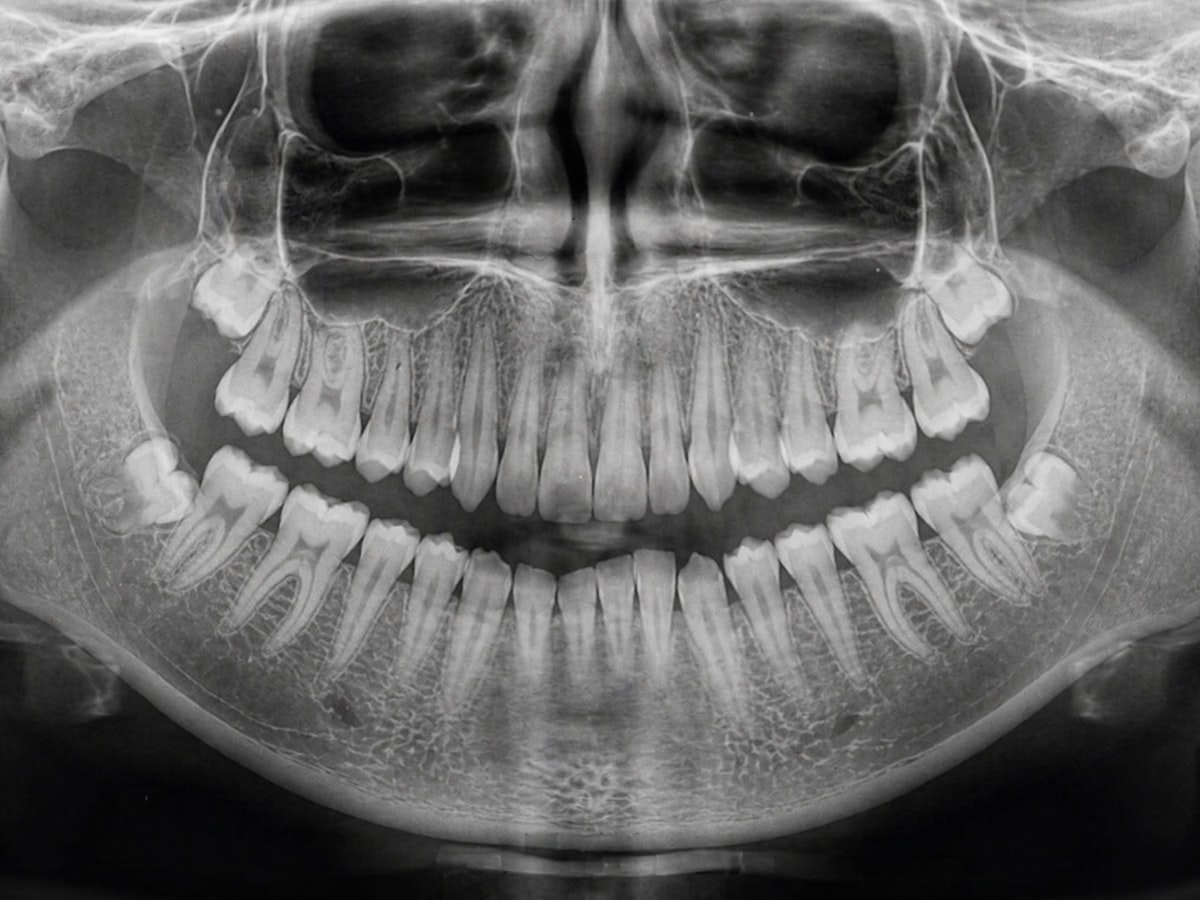
For patients evaluating Wisdom Teeth Removal Oxnard CA, the smartest next step is not guessing which sedation option sounds strongest. It is getting a thorough exam, reviewing the X-rays carefully, and discussing the plan with a provider who explains the reasoning in practical terms. When that conversation is done well, sedation stops feeling like a mystery and starts feeling like what it should be, a tailored tool that helps the surgery go safely and predictably.
Oxnard Dentistry
1730 E Gonzales Rd
Oxnard, CA 93036, United States
Phone: +1 805-307-8731
FAQ About Wisdom Teeth Removal Oxnard CA
How much does it cost to get wisdom teeth removed in California?
Fees depend on tooth position, the number of extractions, imaging and anesthesia. Oxnard Dentistry can provide an individual estimate after examining your teeth. Ask for an itemized plan and confirm insurance benefits before scheduling.
Will insurance cover wisdom teeth removal?
Coverage and out-of-pocket costs vary by policy and the treatment required. Ask the dental office and your insurer to verify benefits, annual limits and any authorization requirements. A benefit estimate does not guarantee payment.
Is 30 too old to have wisdom teeth removed?
Age alone does not determine whether extraction is appropriate. A dentist evaluates symptoms, tooth position, oral health and medical history. Healthy, functional wisdom teeth may be monitored; teeth causing disease or other problems may need treatment.